

 English
 China
China Thailand
 Malaysia
 Vietnam
 Laos
Laos Cambodia
 Pilipinas
 Indonesia
 Russian
 Portuguese
 Arabic
 Japanese
 Spanish
 Italian
 French
 German
News
- Home
- News
- Company News
With the increasing complexity of construction projects and the growing emphasis on worker safety, the role of temporary safety fence has become more critical than ever. This report aims to explore how Temporary Safety Fence can be effectively utilized to enhance site security, ensuring a safer working environment for all stakeholders.
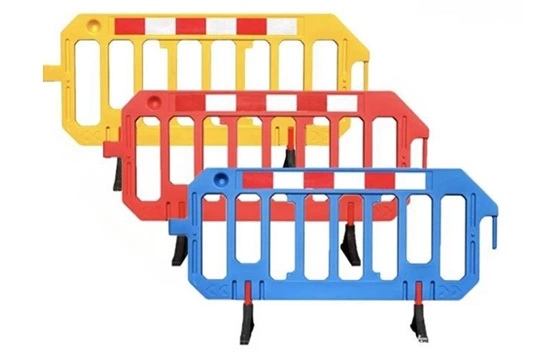
Temporary safety fences are designed to provide a physical barrier that demarcates hazardous areas from safe zones, thereby reducing the risk of accidents. These systems are typically lightweight, easy to install, and can be quickly relocated as needed. The primary purpose of a temporary safety fence is to prevent unauthorized access to dangerous areas, such as construction sites, excavation pits, or areas undergoing maintenance. By doing so, they play a crucial role in maintaining a secure and organized work environment.
The use of temporary safety fence offers several advantages that contribute to enhancing overall site security:
Ensuring compliance with local and national safety regulations is essential when implementing temporary safety fence solutions. Many countries have specific guidelines and standards for the design, installation, and maintenance of temporary barriers. For instance, in the United States, the Occupational Safety and Health Administration (OSHA) provides detailed requirements for guardrail systems, including height, strength, and placement. Adhering to these regulations not only ensures legal compliance but also contributes to a higher level of safety on the job site.
Best practices for using temporary safety fence include regular inspections to ensure the integrity of the fencing, proper signage to communicate hazards, and training for workers on the correct use and maintenance of the system. Additionally, it is important to consider the environmental conditions of the site, such as wind and weather, to select the appropriate type of Temporary Fencing that can withstand these elements.
While temporary safety fence is a vital component of site security, it should be integrated with other safety measures to create a comprehensive safety plan. This includes the use of personal protective equipment (PPE), safety training programs, and regular safety audits. By combining these elements, project managers can create a multi-layered approach to safety that addresses both physical and behavioral aspects of risk management.
For example, temporary safety fences can be used in conjunction with warning signs and barricades to create a clear visual and physical boundary. This combination not only deters unauthorized access but also serves as a constant reminder to workers about the importance of adhering to safety protocols. Furthermore, integrating temporary safety fences with technology, such as surveillance cameras and access control systems, can provide an additional layer of security and monitoring.
Several case studies demonstrate the effectiveness of temporary safety fence in enhancing site security. In one instance, a large-scale construction project in a densely populated urban area utilized temporary safety fences to cordon off the construction zone. The bright, reflective fencing and clear signage significantly reduced the number of unauthorized entries and near-miss incidents. Additionally, the modular design allowed for easy reconfiguration as the project progressed, ensuring that the fencing remained effective throughout the construction phase.
In another case, a highway expansion project employed temporary safety fence to separate the work zone from live traffic. The high-visibility fencing, combined with adequate lighting and signage, helped to maintain a safe distance between workers and vehicles, reducing the risk of accidents. The project team also conducted regular inspections and provided ongoing training to workers, further enhancing the overall safety of the site.
The implementation of temporary safety fence is a key strategy for enhancing site security and ensuring the well-being of workers and visitors. By providing a clear and visible barrier, these systems help to prevent accidents and unauthorized access, while also being cost-effective and flexible. To maximize their effectiveness, it is essential to integrate temporary safety fences with other safety measures and adhere to regulatory standards. Through careful planning and execution, temporary safety fence can significantly contribute to a safer and more secure work environment.

Leave a Reply