

 English
 China
China Thailand
 Malaysia
 Vietnam
 Laos
Laos Cambodia
 Pilipinas
 Indonesia
 Russian
 Portuguese
 Arabic
 Japanese
 Spanish
 Italian
 French
 German
News
- Home
- News
- Company News
In the realm of public safety, effective crowd control fencing solutions play a crucial role in managing large gatherings, ensuring smooth operations, and protecting both individuals and property. This report delves into the various aspects of crowd control fencing, examining its importance, the types available, and best practices for implementation. By understanding the nuances of crowd control fencing, event organizers, law enforcement, and security personnel can better prepare for any situation, thereby enhancing overall safety and operational efficiency.
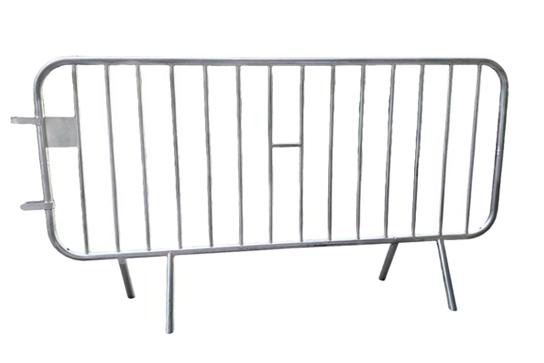
Crowd control fencing serves as a critical tool in maintaining order during large events, protests, or other high-traffic situations. It creates physical barriers that help to direct the flow of people, prevent unauthorized access, and protect sensitive areas. The use of such fencing is not only a matter of convenience but also a necessity for ensuring the safety of all participants and bystanders. For instance, during a music festival, crowd control fencing can be used to separate different areas, such as VIP sections, general admission, and backstage, ensuring that each area remains secure and accessible only to authorized individuals.
Effective crowd control fencing significantly enhances security by reducing the risk of incidents such as stampedes, trespassing, and vandalism. By clearly delineating boundaries and controlling access points, these barriers help to minimize the likelihood of accidents and conflicts. Additionally, they provide a visible deterrent to potential troublemakers, thereby contributing to a safer environment. For example, in a protest scenario, crowd control fencing can be strategically placed to keep protesters and counter-protesters at a safe distance from each other, preventing direct confrontations and ensuring that law enforcement can maintain control.
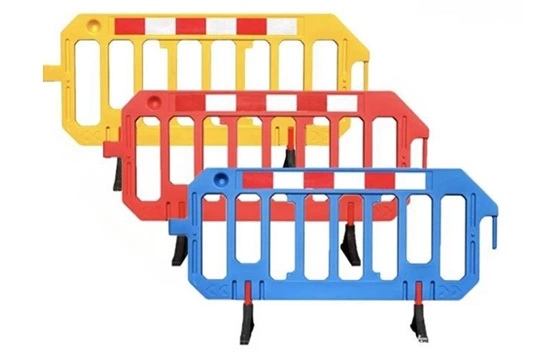
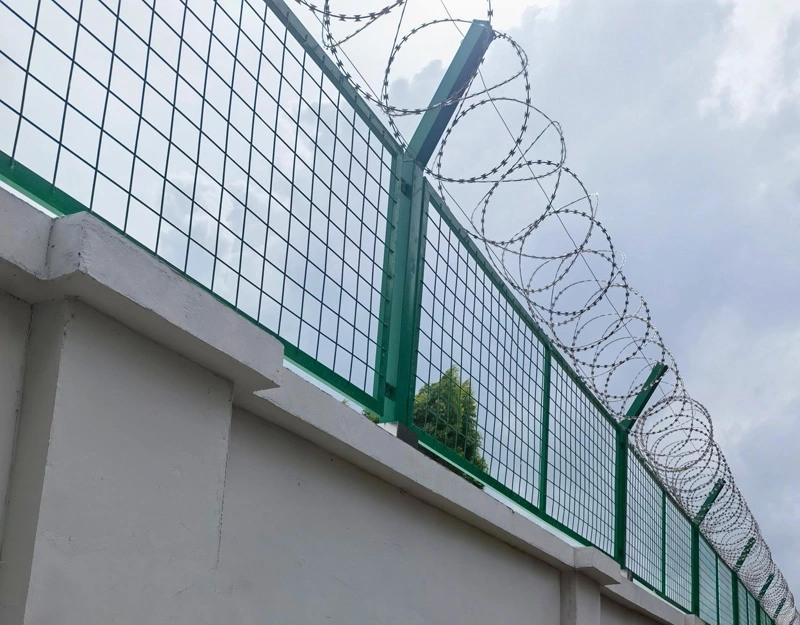
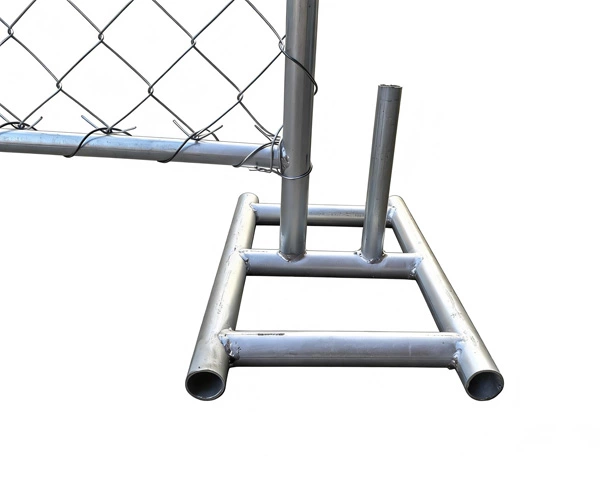
There are two primary types of crowd control fencing: permanent and temporary. Permanent fencing is typically installed in areas where long-term security is required, such as around stadiums, government buildings, or industrial sites. These structures are designed to be robust and durable, often made from materials like steel or concrete. On the other hand, temporary fencing is ideal for short-term events, such as concerts, festivals, or construction sites. Temporary fencing is usually made from lightweight materials like aluminum or plastic, making it easy to set up, dismantle, and transport. Both types have their advantages and are chosen based on the specific needs of the event or location.
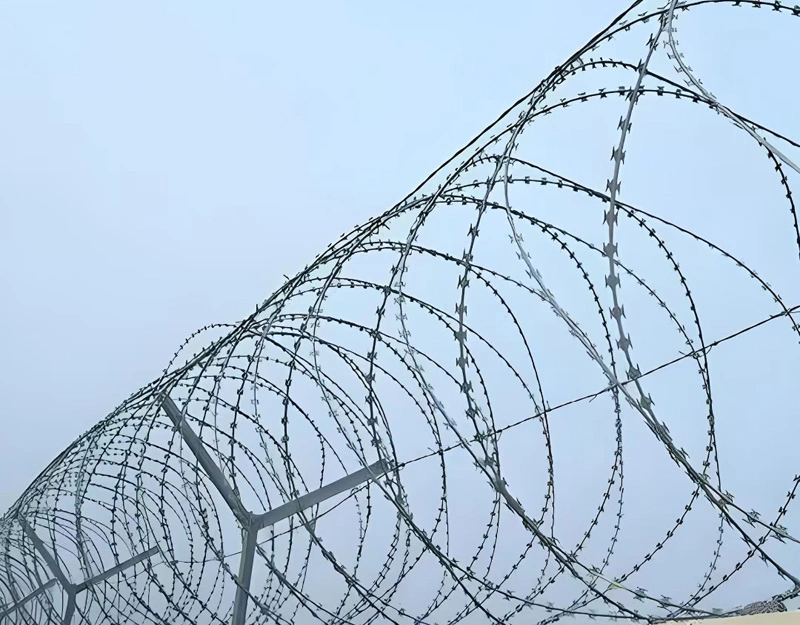
Beyond the basic categories of permanent and temporary, there are specialized types of crowd control fencing that cater to specific requirements. For example, anti-climb fencing is designed with features that make it difficult for individuals to scale, such as spiked tops or mesh patterns. This type of fencing is particularly useful in high-security areas or during events where the risk of intrusion is high. Another specialized option is barrier fencing, which is commonly used in sports events to create a clear boundary between the playing field and the audience. Barrier fencing is typically more flexible and can be easily reconfigured to fit different layouts and configurations.
Effective implementation of crowd control fencing begins with thorough planning and design. Event organizers and security personnel should conduct a detailed assessment of the venue, identifying key areas that require protection and the expected flow of people. This includes considering factors such as entry and exit points, emergency evacuation routes, and high-traffic areas. The design of the fencing should be tailored to the specific layout and requirements of the event, ensuring that it is both functional and visually appealing. For example, in a festival setting, the fencing should be designed to blend seamlessly with the overall aesthetic while still providing the necessary security and crowd management.
Proper installation and maintenance are crucial for the effectiveness of crowd control fencing. Installation should be carried out by trained professionals who understand the specific requirements and challenges of the event. This includes ensuring that the fencing is securely anchored, properly aligned, and free from any defects or damage. Regular maintenance is also essential to ensure that the fencing remains in good condition and continues to function effectively. This may involve periodic inspections, repairs, and cleaning to address any issues that may arise. For example, in a long-term installation, regular checks should be conducted to ensure that the fencing has not been compromised and that it continues to meet the necessary safety standards.
By understanding the importance of crowd control fencing, exploring the various types available, and implementing best practices, event organizers and security personnel can create a safer and more efficient environment for all. Effective crowd control fencing solutions are not just about physical barriers; they are an integral part of a comprehensive approach to public safety, ensuring that events run smoothly and that everyone involved is protected.


Leave a Reply