

 English
 China
China Thailand
 Malaysia
 Vietnam
 Laos
Laos Cambodia
 Pilipinas
 Indonesia
 Russian
 Portuguese
 Arabic
 Japanese
 Spanish
 Italian
 French
 German
News
- Home
- News
- Company News
In the realm of public safety and traffic control, effective management of crowds is paramount to ensuring smooth operations, maintaining order, and preventing potential hazards. Crowd Management Barriers play a crucial role in achieving these objectives by providing physical boundaries, guiding the flow of people, and delineating safe zones. This technical report explores the multifaceted applications and benefits of crowd management barriers, offering insights into their strategic deployment for optimal results. Through an analysis of key aspects such as design, implementation, and maintenance, this document aims to provide a comprehensive guide for professionals and stakeholders involved in public safety and traffic control.
Crowd management barriers serve as essential tools for establishing clear physical boundaries within public spaces. These boundaries help in defining specific areas, such as pedestrian walkways, event entrances, and restricted zones. By creating these demarcations, barriers ensure that individuals can move through the area in a controlled and organized manner, reducing the risk of congestion and potential conflicts. Additionally, they prevent unauthorized access to sensitive or dangerous areas, thereby enhancing overall security and safety.
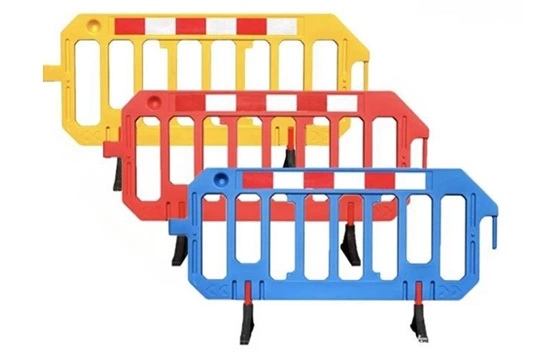
Effective use of crowd management barriers also involves improving visibility and communication. High-visibility barriers, often brightly colored or equipped with reflective materials, make it easier for both attendees and organizers to see and understand the layout of the space. This is particularly important during large events or in low-light conditions. Furthermore, barriers can be used to display signs, directions, and emergency information, facilitating better communication and ensuring that all participants are well-informed about the rules and procedures in place.
One of the primary functions of crowd management barriers in traffic control is to optimize the flow of pedestrians and vehicles. By strategically placing barriers, traffic managers can direct the movement of people and cars, preventing bottlenecks and minimizing congestion. For example, at intersections or entry points to events, barriers can be used to create dedicated lanes for different types of traffic, such as VIP access, general admission, and emergency services. This not only improves the efficiency of the event but also ensures a safer environment for all participants.
Another critical aspect of using crowd management barriers is the creation of safe zones and emergency routes. In the event of an emergency, having clearly defined and accessible escape routes is vital. Barriers can be arranged to form these routes, ensuring that they remain unobstructed and easily identifiable. Additionally, barriers can be used to set up first aid stations, information booths, and other support areas, which are essential for providing immediate assistance and managing the situation effectively. By incorporating these elements into the overall design, organizers can significantly enhance the safety and preparedness of the venue.
The effectiveness of crowd management barriers depends on selecting the appropriate type for the specific application. There are various types of barriers available, including interlocking plastic barriers, metal barricades, and water-filled barriers. Each type has its own advantages and limitations, and the choice should be based on factors such as the expected crowd size, the nature of the event, and the environmental conditions. For instance, lightweight and portable barriers are ideal for temporary setups, while more robust and durable options may be required for long-term or high-impact situations. Understanding the characteristics and capabilities of each type of barrier is crucial for making an informed decision.
To ensure that crowd management barriers continue to function effectively over time, regular maintenance and inspection are necessary. This includes checking for any damage, wear, or structural issues that could compromise their integrity. Additionally, proper storage and handling practices are important to extend the lifespan of the barriers. For example, storing them in a dry, secure location and protecting them from extreme weather conditions can help prevent deterioration. Regular cleaning and maintenance not only keep the barriers in good condition but also ensure that they remain visually appealing and functional, contributing to a positive experience for all users.
Advancements in technology have led to the development of smart barriers, which integrate sensors, cameras, and data analytics to provide real-time monitoring and control. These smart barriers can track the movement of crowds, detect anomalies, and alert security personnel to potential issues. For example, thermal imaging cameras can identify hotspots of congestion, while motion sensors can trigger automated responses, such as opening additional gates or redirecting traffic. By leveraging these technologies, organizers can gain valuable insights into crowd behavior and make data-driven decisions to improve safety and efficiency.
The data collected from smart barriers can be analyzed to inform future planning and decision-making. By understanding patterns and trends in crowd behavior, organizers can optimize the layout and configuration of barriers for upcoming events. This data can also be used to identify areas of improvement, such as adjusting the placement of barriers to reduce wait times or enhancing the visibility of signage. Additionally, historical data can be used to predict and prepare for potential challenges, allowing for proactive measures to be taken. Integrating data analytics into crowd management strategies enables a more dynamic and responsive approach, ultimately leading to better outcomes and a safer environment for all participants.

Leave a Reply