

 English
 China
China Thailand
 Malaysia
 Vietnam
 Laos
Laos Cambodia
 Pilipinas
 Indonesia
 Russian
 Portuguese
 Arabic
 Japanese
 Spanish
 Italian
 French
 German
News
- Home
- News
- Company News
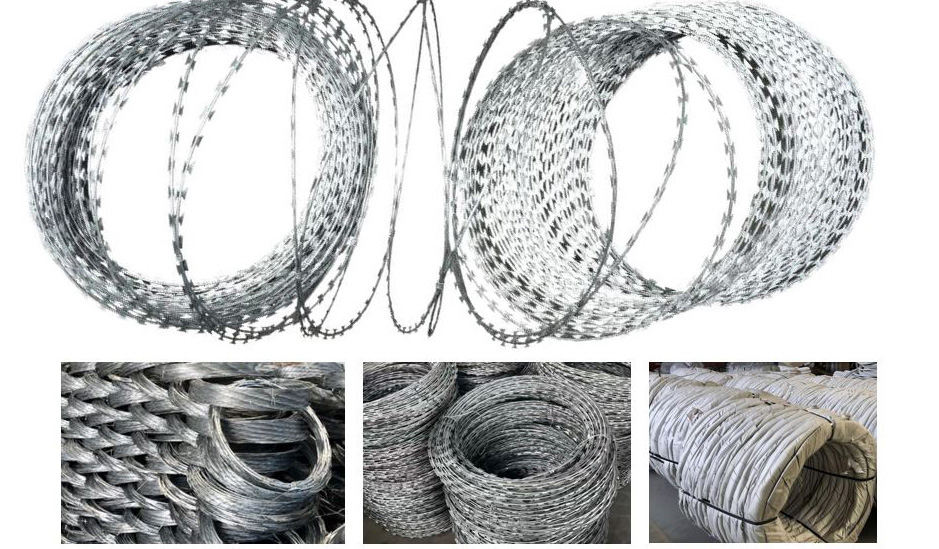
Anti climb razor wire has become an essential component in the security infrastructure of high-risk areas. Its effective application can significantly enhance the safety and security of properties, facilities, and individuals. This report aims to explore the various aspects of using anti climb Razor wire in such environments, providing a comprehensive guide for its optimal deployment.
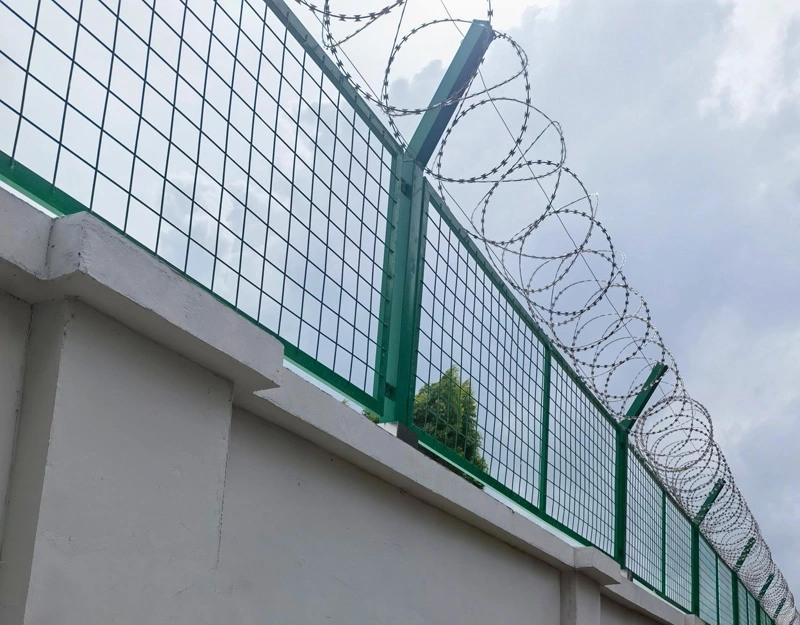
In high-risk areas, where the threat of unauthorized access is significant, anti climb razor wire serves as a formidable deterrent. The physical barrier it creates is not only visually intimidating but also highly effective at preventing intruders from scaling walls or fences. This section will delve into the reasons why anti climb razor wire is crucial in these settings, including its ability to provide a psychological barrier, the physical challenges it poses to potential intruders, and the overall impact on security.
To ensure that anti climb razor wire functions effectively, proper design and installation are paramount. This section will discuss the key factors to consider when installing anti climb razor wire, such as the type of wire to use, the height and spacing of the wire, and the integration with other security measures. Additionally, it will cover the importance of compliance with local regulations and standards, ensuring that the installation is both legal and safe. The discussion will also include best practices for maintenance and regular inspections to ensure the long-term effectiveness of the razor wire.
While anti climb razor wire is a powerful standalone security measure, its effectiveness can be greatly enhanced when integrated with other security systems. This section will explore how anti climb razor wire can be combined with surveillance cameras, motion sensors, and alarm systems to create a multi-layered security approach. The synergy between these different elements can provide a more robust and comprehensive security solution, making it even more difficult for intruders to breach the perimeter. The discussion will also cover the role of human security personnel in monitoring and responding to potential threats, and how they can work in conjunction with the installed security measures.
To illustrate the practical benefits of anti climb razor wire, this section will present several case studies from various high-risk areas. These examples will highlight the specific challenges faced by each location and how the implementation of anti climb razor wire helped to address those issues. The case studies will include details on the design, installation, and integration of the razor wire, as well as the outcomes and any lessons learned. By examining these real-world applications, readers can gain valuable insights into the best practices and potential pitfalls of using anti climb razor wire in their own high-risk environments.
While anti climb razor wire is an effective security tool, its use must be balanced with ethical and legal considerations. This section will discuss the potential risks and liabilities associated with the installation of razor wire, including the risk of injury to both intruders and authorized personnel. It will also cover the importance of clear signage and warning systems to alert individuals of the presence of the razor wire. Additionally, the section will explore the legal requirements and restrictions that may apply, such as local ordinances and building codes, and the need for regular compliance checks. By addressing these ethical and legal concerns, organizations can ensure that their use of anti climb razor wire is both responsible and lawful.
The field of security technology is constantly evolving, and anti climb razor wire is no exception. This section will look at the latest trends and innovations in razor wire technology, such as the development of more durable and weather-resistant materials, as well as the integration of smart features like sensors and alarms. The discussion will also cover the potential future applications of anti climb razor wire, including its use in emerging security challenges and the ways in which it can be adapted to meet the changing needs of high-risk areas. By staying informed about these advancements, organizations can continue to improve their security measures and stay ahead of potential threats.
The effective use of anti climb razor wire in high-risk areas is a critical component of a comprehensive security strategy. By understanding the importance of this security measure, considering the design and installation factors, integrating it with other security systems, and addressing ethical and legal considerations, organizations can significantly enhance their perimeter security. The case studies and future trends discussed in this report provide valuable insights and guidance for implementing anti climb razor wire in a way that maximizes its effectiveness and ensures the safety and security of high-risk areas.



Leave a Reply