

 English
 China
China Thailand
 Malaysia
 Vietnam
 Laos
Laos Cambodia
 Pilipinas
 Indonesia
 Russian
 Portuguese
 Arabic
 Japanese
 Spanish
 Italian
 French
 German
News
- Home
- News
- Company News
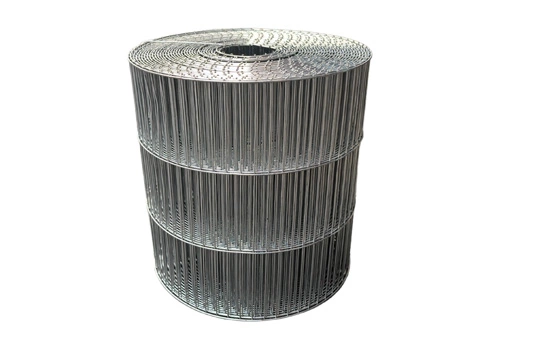
In the world of industrial and commercial applications, choosing the right material for a specific task is crucial. Among various options, stainless steel wire mesh stands out as a versatile and durable choice. However, it's essential to understand how it compares with other metal mesh types in terms of performance, cost, and maintenance. This comparison will help in making an informed decision when selecting the most suitable material for your project.
stainless steel wire mesh is renowned for its high resistance to corrosion, which is largely due to the presence of chromium in its alloy. Chromium forms a thin, protective layer on the surface of the metal that prevents further oxidation. In contrast, other metal meshes such as those made from plain carbon steel or aluminum may not offer the same level of protection against corrosive environments, leading to a shorter lifespan under similar conditions.
Given its superior corrosion resistance, stainless Steel Wire mesh requires less frequent maintenance compared to alternatives. For instance, carbon steel wire mesh needs regular painting or coating to prevent rust, whereas stainless steel can maintain its integrity without additional treatments. This characteristic makes stainless steel more cost-effective over time, despite its higher initial cost.
The durability and longevity of stainless steel also have positive environmental implications. By reducing the need for replacement and maintenance, stainless steel wire mesh contributes to lower waste production and resource consumption. This aligns well with sustainable development goals, making it a preferred choice for environmentally conscious projects.
When it comes to tensile strength, stainless steel wire mesh often outperforms many of its competitors. The specific grade of stainless steel used (e.g., 304, 316) influences its strength, but generally, it provides a robust solution for applications requiring high structural integrity. Other materials like bronze or brass, while offering good malleability, do not match the tensile strength of stainless steel, limiting their use in heavy-duty applications.
Another critical aspect of durability is the material's ability to withstand wear and tear. Stainless steel, with its hardness and toughness, shows excellent resistance to abrasion and impact. This feature is particularly beneficial in industries such as mining, construction, and manufacturing where the mesh is subjected to harsh conditions. On the other hand, softer metals might deform or break more easily under similar stress, compromising the functionality and safety of the application.
Despite its strength, stainless steel wire mesh maintains a degree of flexibility, allowing it to be shaped and formed into various configurations without losing its structural properties. This adaptability enables it to fit a wide range of applications, from filtration systems to architectural designs. In contrast, some harder metals may crack or become brittle when bent, limiting their versatility.
While stainless steel wire mesh typically comes with a higher upfront cost compared to other metal meshes, this investment is often justified by its long-term benefits. The increased durability and reduced maintenance requirements mean that, over time, the total cost of ownership for stainless steel can be significantly lower than for materials that require more frequent replacements or repairs.
The global supply chain for stainless steel is relatively stable, with multiple producers and suppliers worldwide. This stability ensures consistent availability and competitive pricing, even during periods of economic volatility. Conversely, some specialized metal meshes might face supply chain disruptions, potentially affecting project timelines and budgets.
Stainless steel has a high resale value and is widely recycled, adding to its economic appeal. At the end of its lifecycle, stainless steel wire mesh can be sold back to the market or recycled, recovering a portion of the initial investment. This recyclability not only supports economic sustainability but also reduces the environmental footprint of the product.
When comparing stainless steel wire mesh with other metal mesh options, it becomes clear that each material has its strengths and weaknesses. Stainless steel excels in corrosion resistance, strength, and durability, making it a top choice for demanding applications. While it may require a higher initial investment, the long-term savings and environmental benefits make it a worthwhile option. By carefully evaluating the specific needs of a project, one can select the most appropriate material to ensure optimal performance and cost-effectiveness.

Leave a Reply