

 English
 China
China Thailand
 Malaysia
 Vietnam
 Laos
Laos Cambodia
 Pilipinas
 Indonesia
 Russian
 Portuguese
 Arabic
 Japanese
 Spanish
 Italian
 French
 German
News
- Home
- News
- Company News
When it comes to enhancing the safety and efficiency of industrial environments, choosing the right wire mesh for your Workshop Safety Barriers is a critical decision. This technical report delves into the essential factors that should be considered when selecting wire mesh for industrial applications, ensuring that the chosen solution not only meets safety standards but also optimizes operational efficiency. The discussion will cover various types of wire meshes, their properties, and how they can be best utilized in different industrial settings. By the end of this report, readers will have a comprehensive understanding of the criteria for selecting the most suitable wire mesh, tailored to their specific industrial needs.
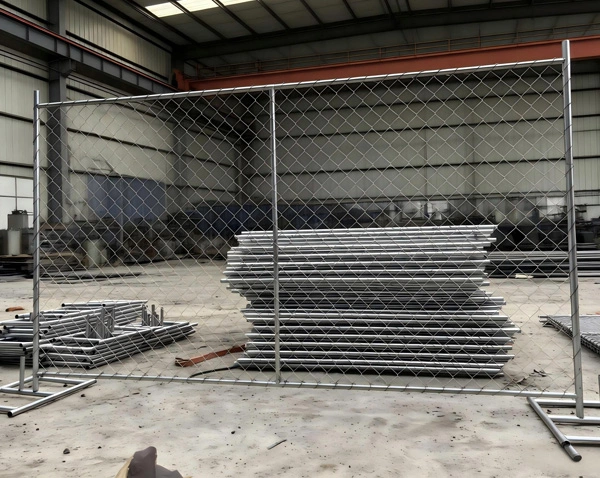
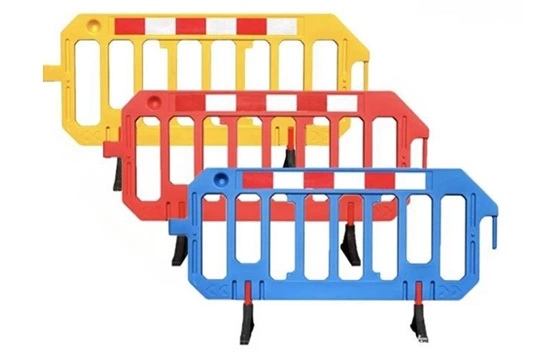
Wire mesh plays a crucial role in creating safe work environments by providing a physical barrier that can prevent accidents and injuries. In industrial settings, where heavy machinery and moving parts are common, wire mesh acts as a protective shield, reducing the risk of workers coming into contact with dangerous equipment. Additionally, wire mesh can be used to secure areas, preventing unauthorized access and thereby minimizing the potential for accidents.
Adhering to safety regulations and standards is paramount in any industrial setting. The use of wire mesh as a safety barrier must comply with local and international safety standards, such as OSHA (Occupational Safety and Health Administration) guidelines in the United States or EN 14122-3 in Europe. These standards ensure that the wire mesh is strong enough to withstand the forces it may encounter and is installed correctly to provide the necessary protection. Compliance with these regulations not only ensures the safety of workers but also helps in avoiding legal and financial penalties.
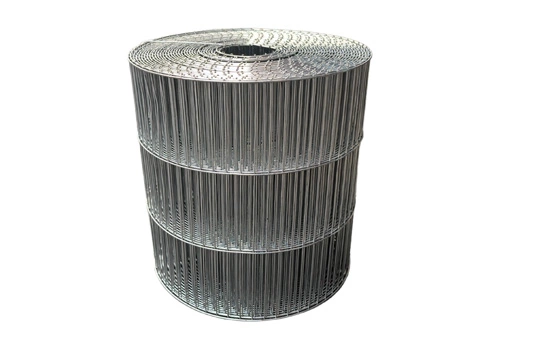
The material composition of wire mesh significantly influences its strength and durability. Common materials include stainless steel, galvanized steel, and aluminum. stainless steel wire mesh is highly resistant to corrosion and is ideal for environments where exposure to moisture and chemicals is common. Galvanized Steel Wire mesh, on the other hand, offers excellent resistance to rust and is more cost-effective than stainless steel. Aluminum wire mesh is lightweight and corrosion-resistant, making it suitable for applications where weight is a concern. Understanding the specific requirements of your industrial environment will help in selecting the most appropriate material.
To ensure the quality and reliability of wire mesh, it is essential to verify that it has undergone rigorous testing and certification. Manufacturers often provide certifications from recognized organizations, such as ISO (International Organization for Standardization) or ASTM (American Society for Testing and Materials). These certifications confirm that the wire mesh meets specific standards for tensile strength, corrosion resistance, and other key performance indicators. Requesting and reviewing these certifications is a crucial step in the selection process, as it provides assurance that the wire mesh will perform as expected in your industrial setting.
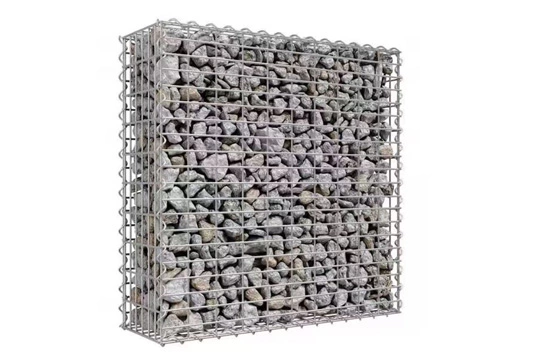
Industrial environments vary greatly in terms of layout and specific safety requirements. Therefore, it is important to consider customization options when selecting wire mesh. Customization can include the size and shape of the mesh, the spacing between wires, and the overall dimensions of the barrier. For example, a workshop with large machinery may require a taller and more robust wire mesh barrier, while a facility with smaller equipment might benefit from a more compact and flexible design. Working closely with the manufacturer to customize the wire mesh ensures that it fits seamlessly into the existing infrastructure and meets the unique needs of the workplace.
Proper installation is crucial for the effectiveness of wire mesh as a safety barrier. It is important to follow best practices, such as ensuring that the mesh is securely anchored to the ground or existing structures. This can be achieved through the use of sturdy posts, brackets, and fasteners. Additionally, the installation should be carried out by trained professionals who understand the specific requirements of the industrial environment. Regular inspections and maintenance should also be conducted to ensure that the wire mesh remains in good condition and continues to provide the necessary protection. By adhering to these best practices, the wire mesh will function as intended and contribute to a safer work environment.
When evaluating the cost-effectiveness of wire mesh solutions, it is important to consider both the initial investment and the long-term savings. While high-quality wire mesh may have a higher upfront cost, it often provides better durability and longevity, resulting in lower maintenance and replacement costs over time. Cheaper alternatives may seem more attractive initially, but they may require frequent repairs or replacements, leading to higher overall expenses. Conducting a cost-benefit analysis that takes into account the total cost of ownership, including installation, maintenance, and potential downtime, will help in making an informed decision.
To make an informed decision, it is beneficial to conduct a comparative analysis of different wire mesh options. This involves evaluating the features, performance, and cost of various types of wire mesh. For example, comparing stainless steel wire mesh with galvanized steel wire mesh can highlight the differences in corrosion resistance, strength, and price. Similarly, comparing the cost of custom-made wire mesh with standard off-the-shelf options can provide insights into the trade-offs between customization and cost. By conducting a thorough comparative analysis, you can identify the wire mesh solution that offers the best balance of performance and affordability for your specific industrial needs.
The environmental impact of the materials used in wire mesh is an important consideration, especially for companies committed to sustainability. Stainless steel and aluminum are generally more environmentally friendly due to their recyclability and lower carbon footprint compared to other materials. Galvanized steel, while durable and cost-effective, may have a higher environmental impact due to the zinc coating process. When selecting wire mesh, it is advisable to choose materials that align with your company's sustainability goals and minimize the environmental footprint. Additionally, considering the lifecycle of the wire mesh, including its disposal and recycling, can further enhance the environmental compatibility of the solution.
Choosing wire mesh from manufacturers that adhere to sustainable manufacturing and sourcing practices is another way to ensure environmental compatibility. Look for suppliers that use eco-friendly production methods, such as energy-efficient processes and the use of renewable resources. Additionally, consider the sourcing of raw materials, ensuring that they are obtained from responsible and sustainable sources. Certifications such as LEED (Leadership in Energy and Environmental Design) or ISO 14001 can provide assurance that the manufacturer is committed to environmental sustainability. By partnering with such suppliers, you can contribute to a more sustainable future while still meeting your industrial safety needs.
In conclusion, selecting the right wire mesh for your workshop safety barriers involves a comprehensive evaluation of several key factors. These include the importance of wire mesh in creating safe work environments, the strength and durability of the material, the design and installation considerations, the cost-effectiveness of the solution, and the environmental impact. By carefully assessing these factors, you can ensure that the chosen wire mesh not only meets safety standards but also optimizes operational efficiency and aligns with your company's sustainability goals.
For industrial safety managers, it is recommended to conduct a thorough needs assessment and consult with experts in the field. Engage with reputable manufacturers who can provide customized solutions and offer certifications for quality assurance. Regularly review and update your safety measures to ensure they remain effective and compliant with the latest regulations. By following these recommendations, you can make an informed decision that enhances the safety and productivity of your industrial environment.

Leave a Reply