

 English
 China
China Thailand
 Malaysia
 Vietnam
 Laos
Laos Cambodia
 Pilipinas
 Indonesia
 Russian
 Portuguese
 Arabic
 Japanese
 Spanish
 Italian
 French
 German
News
- Home
- News
- Company News
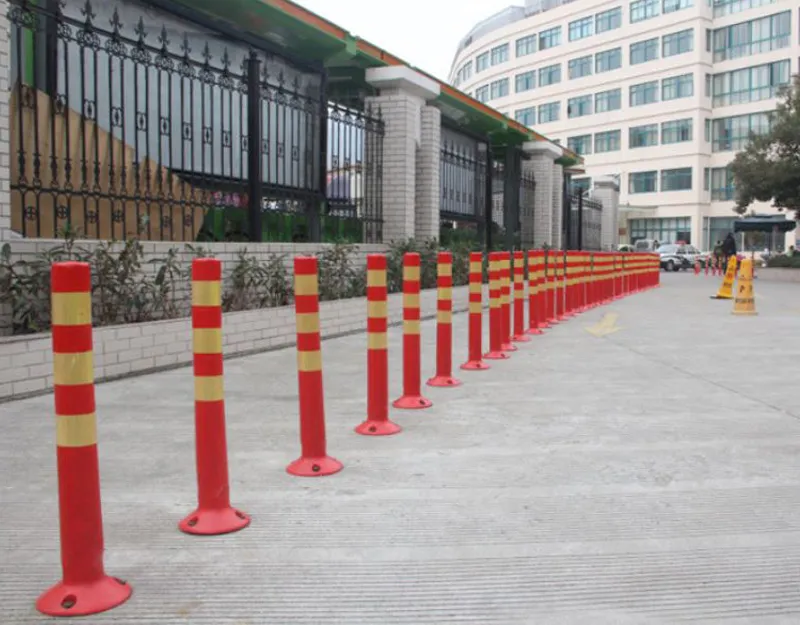
When it comes to enhancing road safety, selecting the right Traffic Barrier Cone is a critical decision. traffic safety Products play an essential role in guiding and managing the flow of vehicles and pedestrians, ensuring that everyone on the road remains safe. This technical report aims to guide you through the process of choosing the most suitable traffic barrier cone for your specific needs, considering various factors such as material, size, visibility, and application.
The choice of material for your traffic barrier cone is one of the first considerations you should make. The two primary materials used in the construction of these cones are plastic (PVC) and rubber. Each has its own set of advantages and disadvantages, which can significantly impact their performance and longevity under different conditions. For instance, PVC cones are lightweight, making them easy to handle and transport, but they may not be as durable in extreme weather or high-traffic areas. On the other hand, rubber cones offer better durability and resistance to wear and tear, though at the cost of increased weight and price. By carefully evaluating the environment in which the cones will be used, you can select a material that balances durability with practicality, ensuring long-term value from your investment in traffic safety products.
Visibility is another crucial factor when choosing a traffic barrier cone. In low light or poor visibility conditions, reflective cones become indispensable for maintaining safety. Most modern traffic cones come with reflective collars or bands that enhance their visibility, especially during nighttime or in foggy weather. However, the level of reflectivity can vary significantly between products. Some cones feature 360-degree reflective strips, providing maximum visibility from all angles, while others might only have front-facing reflectors. It's important to choose a cone that meets the visibility standards required by local regulations and is suitable for the specific lighting conditions of your area. High-quality reflective materials not only improve safety but also contribute to the overall effectiveness of traffic safety products in managing traffic flow and reducing accidents.
The size and weight of a traffic barrier cone directly affect its stability and ease of use. Smaller, lighter cones are easier to set up and move around, making them ideal for temporary setups or areas where frequent repositioning is necessary. However, they may not provide the same level of stability as larger, heavier cones, especially in windy conditions. Larger cones, typically ranging from 28 to 36 inches in height, offer better visibility and are more stable, but they require more effort to deploy and store. When selecting the appropriate size, consider the specific needs of your application. For example, if the cones will be used in a busy urban area with high pedestrian and vehicle traffic, a larger, more stable cone might be preferable. Conversely, for short-term events or in less trafficked areas, a smaller, more portable cone could be sufficient. Balancing these factors ensures that the chosen Traffic Safety Products are both effective and practical for the intended use.
Different applications may require specific types of traffic barrier cones. For instance, in construction zones, cones need to be highly visible and durable to withstand the rigors of a work site. They often come with additional features like weighted bases or interlocking systems to ensure they remain in place even in adverse conditions. In contrast, cones used for parking lot management or event traffic control might prioritize portability and ease of setup over extreme durability. Understanding the specific requirements of your application will help you choose the most suitable type of cone. Additionally, some Traffic Safety Products are designed with special features, such as slots for attaching signs or barriers, which can be particularly useful in certain scenarios. By matching the cone's features to the demands of your application, you can ensure that the selected product provides the best possible safety and functionality.
Finally, it is crucial to ensure that the traffic barrier cones you choose comply with relevant standards and regulations. Many countries and regions have specific guidelines for the design, color, and use of traffic cones. For example, in the United States, the Federal Highway Administration (FHWA) sets standards for traffic control devices, including cones. These standards cover aspects such as the minimum height, color, and reflective properties of the cones. Ensuring compliance with these standards not only guarantees the effectiveness of the cones but also helps avoid legal issues. When purchasing Traffic Safety Products, always check for certifications and compliance with local and national standards. This ensures that the cones you select are not only functional but also legally compliant, providing the highest level of safety and reliability.
In conclusion, selecting the right traffic barrier cone involves a careful evaluation of several key factors, including material quality, visibility, size, and application-specific requirements. By considering these aspects, you can choose a cone that not only meets your immediate needs but also provides long-term value and safety. Whether you are managing a construction site, organizing an event, or enhancing road safety in a busy urban area, the right Traffic Safety Products can make a significant difference in ensuring the well-being of all road users.
Leave a Reply