

 English
 China
China Thailand
 Malaysia
 Vietnam
 Laos
Laos Cambodia
 Pilipinas
 Indonesia
 Russian
 Portuguese
 Arabic
 Japanese
 Spanish
 Italian
 French
 German
News
- Home
- News
- Company News
The agricultural sector is a cornerstone of global economies, providing essential food supplies and raw materials for various industries. As the world's population continues to grow, so does the demand for efficient and sustainable farming practices. One critical aspect of modern agriculture that often goes unnoticed but plays a vital role in both livestock management and crop protection is agricultural fencing. This report delves into the importance of agricultural fencing solutions, exploring their benefits, types, and the innovative technologies shaping the future of this field.
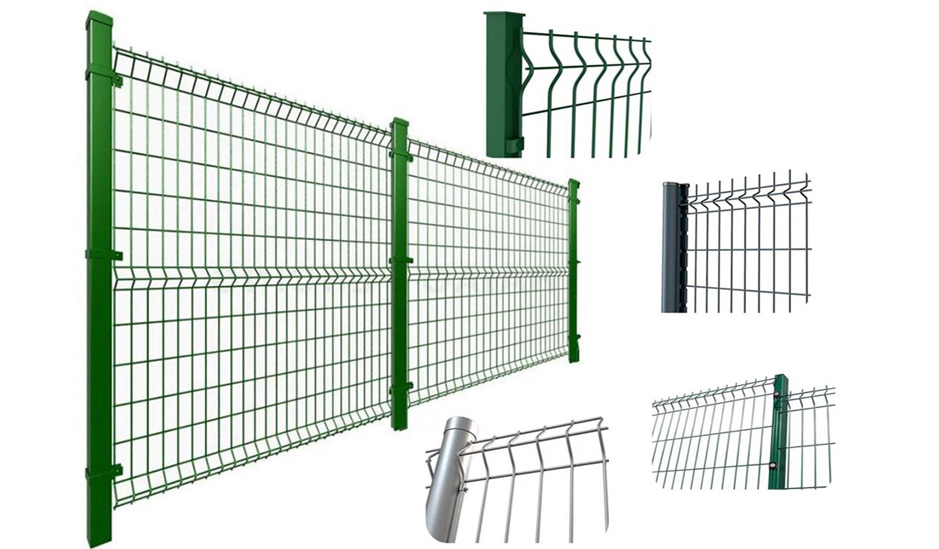
Effective livestock management is crucial for maintaining the health and productivity of farm animals. Agricultural fencing serves as a fundamental tool in achieving these goals by creating secure boundaries that prevent animals from wandering off or coming into contact with potential hazards. For instance, electric fences have become increasingly popular due to their ability to deliver a non-lethal shock that deters animals from crossing while also being cost-effective and easy to install. Additionally, traditional wire mesh and wooden post fences offer robust physical barriers that can be tailored to specific needs, such as protecting against predators or separating different species of livestock.
Moreover, the use of agricultural fencing contributes to improved animal welfare. By providing defined areas for grazing, farmers can better manage pasture resources, ensuring that animals have access to fresh grass and reducing the risk of overgrazing. This not only promotes healthier living conditions for the livestock but also helps in maintaining the ecological balance of the farmland.
Crop protection is another area where agricultural fencing proves invaluable. In many regions, wildlife such as deer, rabbits, and wild boars pose significant threats to crops, leading to substantial losses if left unchecked. Installing appropriate fencing around fields can effectively deter these animals, safeguarding the yield and financial investments of farmers. There are several types of fences designed specifically for this purpose, including high-tensile wire, which offers durability and resistance to damage, and plastic netting, known for its flexibility and ease of installation.
Furthermore, the integration of smart technologies into agricultural fencing systems has opened up new possibilities for enhancing crop security. For example, some advanced fencing solutions now incorporate sensors and cameras that can detect unauthorized entry or unusual activity, alerting farmers in real-time. These innovations not only improve the effectiveness of traditional fencing methods but also provide valuable data that can be used to optimize farm operations further.
The landscape of agricultural fencing is continuously evolving, driven by advancements in materials science, engineering, and digital technology. One notable trend is the development of eco-friendly fencing options that minimize environmental impact without compromising on functionality. Materials like recycled plastic and biodegradable composites are gaining traction, offering a more sustainable alternative to conventional steel and wood products. These materials not only reduce waste but also require less maintenance, making them an attractive choice for environmentally conscious farmers.
Another exciting area of innovation lies in the automation and connectivity of agricultural fencing systems. Smart fences equipped with solar-powered chargers, remote monitoring capabilities, and even AI-driven analytics are becoming more commonplace. Such features enable farmers to manage their fencing infrastructure more efficiently, responding quickly to any issues and optimizing resource allocation. As we move forward, it is likely that these technologies will become even more integrated, forming part of broader smart farming ecosystems that aim to maximize productivity and sustainability across all aspects of agricultural practice.
In conclusion, agricultural fencing plays a pivotal role in supporting the efficiency and success of modern farming operations. Whether through enhancing livestock management, protecting valuable crops, or embracing cutting-edge technological advancements, the right fencing solution can make a significant difference in the profitability and resilience of agricultural enterprises. As the industry continues to evolve, staying informed about the latest developments in agricultural fencing will be key for farmers looking to stay ahead of the curve and meet the growing demands of a changing world.
Leave a Reply