

 English
 China
China Thailand
 Malaysia
 Vietnam
 Laos
Laos Cambodia
 Pilipinas
 Indonesia
 Russian
 Portuguese
 Arabic
 Japanese
 Spanish
 Italian
 French
 German
News
- Home
- News
- Company News
The use of PVC Traffic Barriers in construction zones has become increasingly popular due to their numerous advantages. This report aims to explore the benefits that these Durable Plastic Barriers offer, focusing on aspects such as safety, cost-effectiveness, and environmental impact.
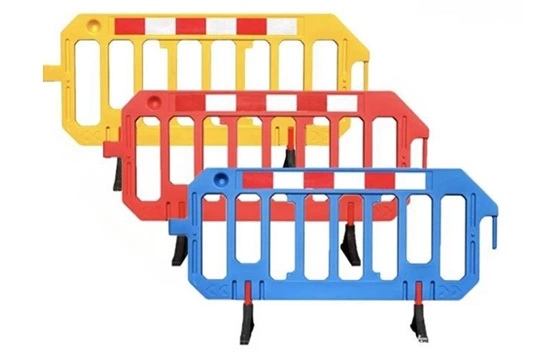
Safety is paramount in any construction zone, where both workers and the public can be at risk. PVC traffic barriers play a crucial role in enhancing safety by clearly demarcating work areas from pedestrian and vehicular paths. These barriers are designed with high visibility features, often including reflective strips or bright colors, which make them easily noticeable even under low light conditions. Additionally, they are robust enough to withstand accidental impacts without toppling over, thereby reducing the chances of accidents. The physical barrier provided by PVC traffic barriers not only protects workers from passing vehicles but also guides traffic flow, minimizing confusion and potential collisions. By creating a clear separation between the construction site and the surrounding environment, these barriers significantly reduce the risk of unauthorized access, ensuring that only authorized personnel enter the work area.
One of the most compelling reasons for using PVC Traffic Barriers in construction zones is their cost-effectiveness. Compared to traditional materials like concrete or metal, PVC is much more affordable while still providing adequate strength and durability. The lightweight nature of PVC means that it requires less effort and resources to transport and install, leading to reduced labor costs. Moreover, these barriers are reusable; once a project is completed, they can be easily dismantled and stored for future use, further extending their lifespan and value. Over time, this reusability translates into significant savings for construction companies. Additionally, maintenance costs associated with PVC traffic barriers are minimal. Unlike other materials, PVC does not corrode or degrade quickly, making it resistant to weathering and wear, thus requiring fewer repairs or replacements.
In today’s world, environmental sustainability is a critical consideration in all industries, including construction. PVC traffic barriers contribute positively to sustainability efforts. Firstly, PVC is a recyclable material, meaning that at the end of its lifecycle, it can be processed and used again, reducing waste and conserving natural resources. Secondly, the production process of PVC involves lower energy consumption compared to many other plastics, resulting in a smaller carbon footprint. Furthermore, during transportation and installation, the lightweight characteristic of PVC minimizes fuel usage, thereby lowering greenhouse gas emissions. Lastly, since these barriers are reusable, they help in reducing the demand for new raw materials, contributing to the conservation of natural resources and reduction in waste generation.
The versatility of PVC traffic barriers adds another layer of advantage to their use in construction zones. These barriers come in various sizes and configurations, allowing for customization based on specific project requirements. Whether it's a small urban development or a large-scale infrastructure project, there are PVC traffic barriers suitable for every need. Their modular design enables quick assembly and disassembly, facilitating easy relocation as needed. This flexibility is particularly beneficial in dynamic construction environments where layout changes may occur frequently. Additionally, PVC traffic barriers can be easily connected to form longer sections or combined with other types of barriers to create complex configurations, offering a wide range of options for site managers. The ease of use extends to storage as well; when not in use, these barriers can be stacked compactly, saving valuable space and making them ideal for projects with limited storage facilities.
Adhering to local regulations and standards is essential in construction. PVC traffic barriers are designed to meet or exceed these requirements, ensuring that construction sites remain compliant with safety and zoning laws. They are tested and certified to withstand specific loads and impacts, providing peace of mind to both project managers and regulatory bodies. Beyond compliance, these barriers also offer aesthetic benefits. Available in a variety of colors and finishes, they can be chosen to blend in with the surrounding environment or to stand out for maximum visibility. This dual functionality makes them an attractive option for maintaining a professional and organized appearance on the construction site. Furthermore, the clean and modern look of PVC traffic barriers can enhance the overall visual appeal of the construction zone, contributing to a positive image for the project and the company involved.
In conclusion, the use of PVC traffic barriers in construction zones offers a multitude of advantages, including enhanced safety, cost-effectiveness, environmental sustainability, versatility, and regulatory compliance. These benefits make PVC traffic barriers an excellent choice for construction projects, ensuring both the well-being of workers and the public and the financial and environmental sustainability of the project.
Leave a Reply