

 English
 China
China Thailand
 Malaysia
 Vietnam
 Laos
Laos Cambodia
 Pilipinas
 Indonesia
 Russian
 Portuguese
 Arabic
 Japanese
 Spanish
 Italian
 French
 German
News
- Home
- News
- Company News
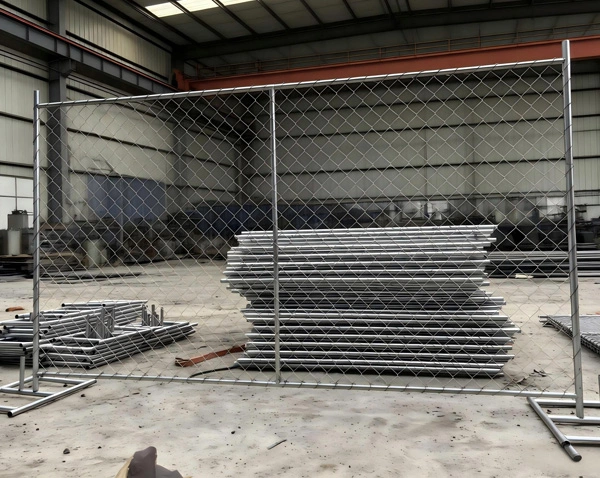
A Comprehensive Guide to Maintaining Workshop Isolation Nets is a technical report that delves into the intricacies of ensuring safety and efficiency in industrial settings through the proper use and maintenance of isolation nets. These nets are crucial for separating work areas, reducing noise pollution, and preventing the spread of contaminants. This guide explores the key aspects of maintaining these nets, including their installation, regular inspection, and cleaning procedures, as well as the importance of choosing the right materials and designs. It also highlights the role of technology in monitoring and managing workshop isolation net systems, providing practical insights and recommendations for professionals in the field.
Workshop isolation nets play a vital role in enhancing workplace safety by creating physical barriers between different operational zones. These barriers can significantly reduce the risk of accidents, such as machinery collisions or falls from heights, which are common in busy industrial environments. Moreover, they help in minimizing exposure to harmful substances like dust, fumes, or chemicals, thereby protecting workers' health. By isolating hazardous areas, these nets contribute to a safer working environment, which is not only beneficial for employees but also essential for complying with occupational safety regulations.
Beyond safety, workshop isolation nets have a positive impact on productivity and operational efficiency. They allow for better organization of the workspace, enabling smoother workflows and reduced downtime. For instance, by separating noisy machinery from quieter workstations, these nets can create a more focused and productive environment. Additionally, they facilitate the implementation of lean manufacturing principles, where every square foot of space is utilized efficiently. This leads to cost savings and improved overall performance, making the investment in high-quality isolation nets a wise business decision.
To ensure the longevity and effectiveness of workshop isolation nets, regular inspections are essential. A thorough inspection should be conducted at least once a month, or more frequently if the nets are exposed to harsh conditions. During these inspections, look for signs of wear and tear, such as frayed edges, loose connections, or damage from sharp objects. Any issues identified should be addressed promptly to prevent further deterioration. Repairs may involve patching small tears, reinforcing weak spots, or replacing damaged sections. By maintaining a proactive approach to maintenance, you can extend the life of your isolation nets and ensure they continue to provide the necessary protection and functionality.
Proper cleaning and sanitization are critical for maintaining the hygiene and performance of workshop isolation nets. Depending on the specific environment, dust, dirt, and other contaminants can accumulate on the nets over time, affecting their appearance and functionality. A recommended cleaning schedule should be established, typically involving a deep clean every three months. Use a mild detergent and water solution to gently scrub the nets, followed by a thorough rinse with clean water. For more stubborn stains or contaminants, specialized cleaning agents may be required. Additionally, it is important to sanitize the nets periodically, especially in industries where hygiene is a top priority, such as food processing or pharmaceuticals. This can be done using approved disinfectants, following the manufacturer's instructions to ensure effective sanitization without damaging the net material.
Selecting the appropriate material for workshop isolation nets is crucial for both durability and performance. Common materials include polyethylene, nylon, and polyester, each with its own advantages and limitations. Polyethylene is lightweight and resistant to moisture, making it suitable for outdoor use. Nylon offers excellent strength and abrasion resistance, ideal for high-traffic areas. Polyester, on the other hand, provides a good balance of strength and flexibility, and is often treated to resist UV rays and chemicals. When choosing a material, consider factors such as the expected lifespan, environmental conditions, and the specific requirements of your workspace. For example, if the nets will be exposed to harsh chemicals, a material with high chemical resistance would be the best choice.
The design and installation of workshop isolation nets are equally important for their effectiveness. The design should be tailored to the specific needs of the workspace, taking into account factors such as the size of the area, the type of machinery, and the workflow. Custom-designed nets can be more effective and efficient, as they can be fitted precisely to the space, leaving no gaps or loose ends. When installing the nets, ensure that they are securely fastened to the support structures, using appropriate hardware such as hooks, clips, or brackets. Regularly check the mounting points to ensure they remain secure and adjust them as needed. Additionally, consider the ease of access for maintenance and repairs. Nets that are easy to remove and reattach will make routine inspections and cleaning more manageable, contributing to the overall longevity and performance of the system.
Leave a Reply