

 English
 China
China Thailand
 Malaysia
 Vietnam
 Laos
Laos Cambodia
 Pilipinas
 Indonesia
 Russian
 Portuguese
 Arabic
 Japanese
 Spanish
 Italian
 French
 German
News
- Home
- News
- Company News
A comprehensive guide to installing chain link temporary fence for safety purposes is essential for ensuring the security and privacy of construction sites, events, or any other area that requires a quick yet effective barrier. This technical report delves into the practical aspects of setting up a chain link temporary fence, from understanding its components to the installation process, while also highlighting the importance of choosing the right materials and following safety guidelines. By adhering to the recommendations provided, one can ensure that the Temporary Fencing not only serves its intended purpose but also stands the test of time and environmental conditions.
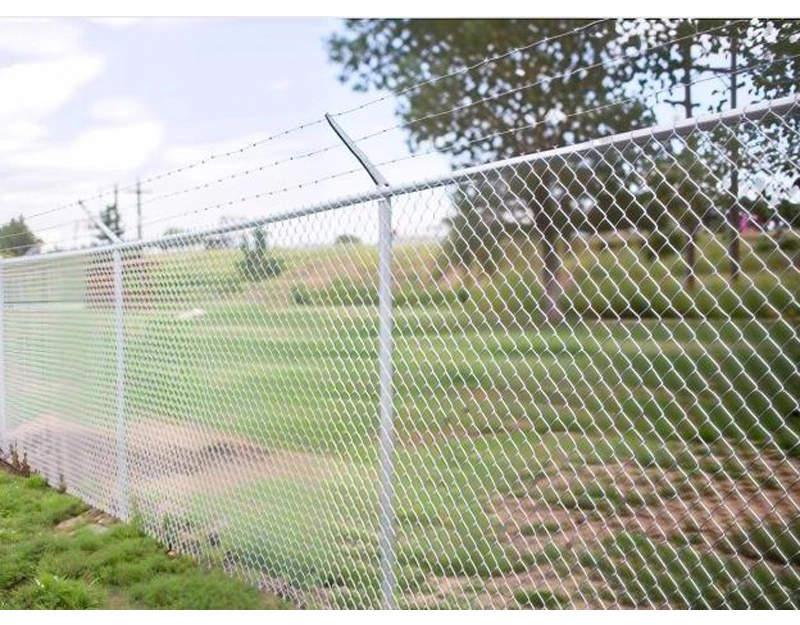
To begin with, it's crucial to understand the basic structure of a chain link temporary fence. The primary component is the chain link mesh, which is made from galvanized steel wire woven together in a diamond pattern. This design provides both strength and flexibility, making it ideal for temporary installations. Additionally, the fence includes posts, which are typically made from metal or wood, and tension wires that run along the top and bottom of the fence to provide stability and support.
Choosing the right materials is key to the longevity and effectiveness of your chain link temporary fence. Galvanized steel is the most common material used due to its resistance to rust and corrosion, making it suitable for outdoor use. However, if you anticipate harsh weather conditions, consider using vinyl-coated or aluminum chain link, as these offer even better protection against the elements. It’s also important to select high-quality posts and fittings to ensure that the fence remains secure and stable over time.
Before beginning the installation, a thorough site assessment is necessary. This involves measuring the area where the fence will be installed and identifying any obstacles such as trees, rocks, or uneven terrain. Once the site has been assessed, you can proceed to design the layout of the fence. Mark the positions of the posts and gates, and plan for any additional features such as barbed wire or privacy slats. A well-planned layout ensures that the fence is both functional and aesthetically pleasing.
Having the right tools and equipment on hand is essential for a smooth installation process. Basic tools include a post hole digger, a level, a tape measure, and a sledgehammer. For more complex installations, you may need additional equipment such as a concrete mixer, a wheelbarrow, and a power drill. Ensure that all tools are in good working condition and that you have enough supplies, such as concrete mix, gravel, and fasteners, to complete the job.
The first step in the installation process is setting up the posts. Begin by digging holes for the posts, ensuring that they are deep enough to provide stability. The depth of the holes should be at least one-third the height of the post. Place the posts in the holes and use a level to ensure they are plumb. Fill the holes with a mixture of concrete and gravel, and allow the concrete to set according to the manufacturer's instructions. Once the posts are secure, you can attach the tension bars and wires to the posts.
With the posts in place, the next step is to attach the chain link mesh. Start by unrolling the mesh along the line of the posts, ensuring that it is straight and taut. Use fence ties to secure the mesh to the posts, spacing the ties evenly and tightly. To maintain the tension in the fence, pull the mesh tight and secure it to the tension wires. Finally, trim any excess mesh and ensure that all connections are secure and properly aligned.
Proper maintenance is crucial to ensure the longevity and effectiveness of your chain link temporary fence. Regular inspections should be conducted to check for any signs of wear, damage, or loose connections. Address any issues promptly to prevent further damage. Additionally, keep the area around the fence clear of debris and vegetation to prevent damage and ensure that the fence remains visible and accessible.
Following safety guidelines is essential when installing and maintaining a chain link temporary fence. Always wear appropriate personal protective equipment (PPE) such as gloves, safety glasses, and steel-toed boots. When handling tools and materials, be mindful of potential hazards such as sharp edges and heavy objects. Additionally, ensure that the fence is installed in a way that does not obstruct emergency access or pose a risk to pedestrians or vehicles. By adhering to these best practices, you can ensure that your chain link temporary fence is both safe and effective.

Leave a Reply