

 English
 China
China Thailand
 Malaysia
 Vietnam
 Laos
Laos Cambodia
 Pilipinas
 Indonesia
 Russian
 Portuguese
 Arabic
 Japanese
 Spanish
 Italian
 French
 German
News
- Home
- News
- Company News
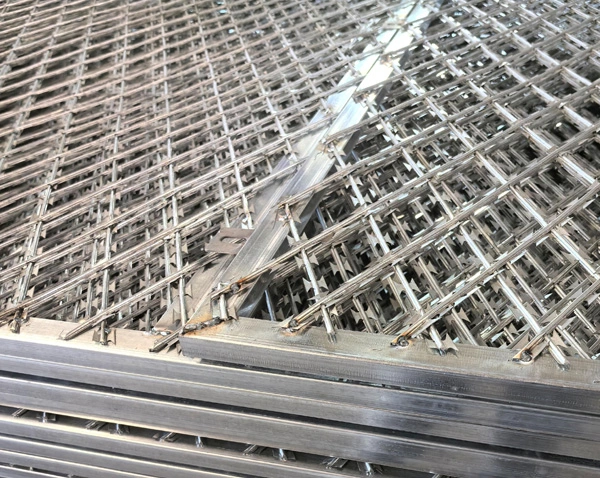
expanded mesh, also known as expanded metal, is a versatile and durable material that has found its application in various sectors, including fencing. Its unique structure, which consists of diamond-shaped openings created by slitting and stretching the metal, provides not only an aesthetic appeal but also functional benefits such as security, visibility, and resistance to weathering. This comprehensive guide aims to provide detailed instructions on installing and maintaining expanded mesh fencing, ensuring longevity and optimal performance.
One of the primary reasons for choosing expanded mesh over other materials for fencing is its combination of strength and lightness. The process of expanding the metal creates a product that is much stronger than its original form, capable of withstanding significant physical stress while being lightweight enough for easy installation. Additionally, the open design of the expanded mesh allows for air circulation and natural light penetration, reducing wind resistance and preventing the buildup of moisture, which can lead to corrosion or mold growth. Moreover, the visibility through the fence enhances security by allowing for clear sightlines, making it difficult for intruders to go unnoticed. Lastly, from an aesthetic standpoint, the modern and sleek appearance of expanded mesh complements a wide range of architectural styles, adding value and curb appeal to both residential and commercial properties.
Proper installation is crucial to ensure the durability and effectiveness of your expanded mesh fence. The following steps outline a general procedure; however, it's important to follow any specific guidelines provided by the manufacturer or consult with a professional if you're unsure about any aspect of the process. Start by planning the layout of your fence, taking into consideration local regulations, property boundaries, and any obstructions like trees or utility lines. Next, mark out the positions of the posts, typically spaced between 6 to 8 feet apart, depending on the height and type of expanded mesh. Use a post hole digger to create holes at these marked points, ensuring they are deep enough (usually around one-third of the total post length) to provide stability. After setting the posts in place with concrete, allow sufficient time for curing before proceeding. Once the posts are securely in position, attach the horizontal rails, which will support the expanded mesh. Finally, unroll the expanded mesh along the fence line, securing it to the rails using appropriate fasteners, such as screws or clips, making sure the mesh is taut and properly aligned. Regular checks during this phase are essential to avoid any sagging or misalignment, which could compromise the integrity of the fence.
To keep your expanded mesh fence looking great and functioning well, regular maintenance is necessary. Although expanded mesh is highly resistant to rust and corrosion, exposure to the elements over time can still cause wear and tear. Cleaning the fence periodically, especially after severe weather events, helps remove dirt, debris, and potential contaminants that might affect its appearance or structural integrity. A simple solution of mild soap and water, applied with a soft brush, followed by rinsing with clean water, is usually sufficient. For tougher stains or signs of corrosion, consider using a specialized cleaner recommended for metal surfaces. It's also advisable to inspect the fence regularly for any signs of damage, such as loose fasteners, bent sections, or areas where the mesh may have become detached from the frame. Addressing these issues promptly can prevent more serious problems down the line. In regions with high humidity or near coastal areas, applying a protective coating, such as a clear acrylic sealer, can further enhance the fence's resistance to environmental factors. By adhering to these maintenance practices, you can significantly extend the lifespan of your expanded mesh fence, ensuring it remains a secure and attractive boundary for many years.
When undertaking the installation of an expanded mesh fence, safety should be a top priority. This includes wearing appropriate personal protective equipment (PPE), such as gloves, safety glasses, and sturdy footwear, to protect against injuries. Furthermore, it’s essential to comply with local building codes and regulations, which may dictate specific requirements regarding the height, placement, and construction of fences. Obtaining the necessary permits before starting the project ensures that your fence meets all legal standards and avoids potential fines or the need for costly modifications later on. Consulting with local authorities or a professional installer can provide valuable guidance on these matters. Additionally, when working with tools and materials, always follow the manufacturer’s instructions and use equipment correctly to minimize the risk of accidents. Taking these precautions not only safeguards the well-being of those involved in the installation but also contributes to the overall success and compliance of the project.
While the initial cost of installing an expanded mesh fence may vary based on factors like size, material quality, and labor, it generally offers a good return on investment due to its long-lasting nature and low maintenance needs. Compared to other fencing options, expanded mesh tends to be competitively priced, especially considering its durability and resistance to common forms of damage. Over time, the minimal upkeep required translates to lower ongoing costs, making it a cost-effective choice for both short-term and long-term budgeting. Additionally, the enhanced security and aesthetic value that expanded mesh provides can increase property values, providing an indirect financial benefit. When evaluating the overall cost, it’s important to consider not just the upfront expenses but also the potential savings and added value that come with choosing this type of fencing. By balancing these factors, you can make an informed decision that aligns with your financial goals and ensures a reliable, attractive, and functional boundary for your property.
In conclusion, expanded mesh fencing is a robust and visually appealing option that combines functionality with style. By understanding the advantages, following proper installation techniques, and maintaining the fence regularly, you can enjoy a secure, long-lasting, and aesthetically pleasing perimeter for your property. Whether for residential, commercial, or industrial use, expanded mesh fencing is a smart investment that delivers on multiple fronts.
Leave a Reply