

 English
 China
China Thailand
 Malaysia
 Vietnam
 Laos
Laos Cambodia
 Pilipinas
 Indonesia
 Russian
 Portuguese
 Arabic
 Japanese
 Spanish
 Italian
 French
 German
News
- Home
- News
- Company News
structural steel mesh frameworks are essential components in modern construction, offering a robust solution for supporting structures while ensuring safety and durability. Selecting the right structural steel mesh framework is crucial for any project, as it directly impacts the overall stability and longevity of the building. This guide aims to provide a comprehensive overview of the key factors to consider when choosing the appropriate structural steel mesh framework.
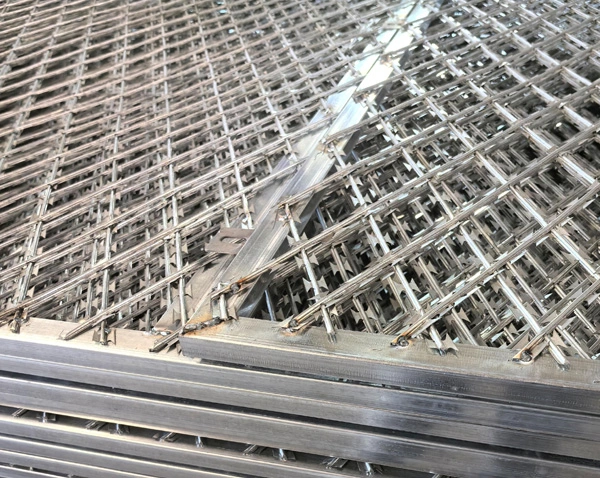
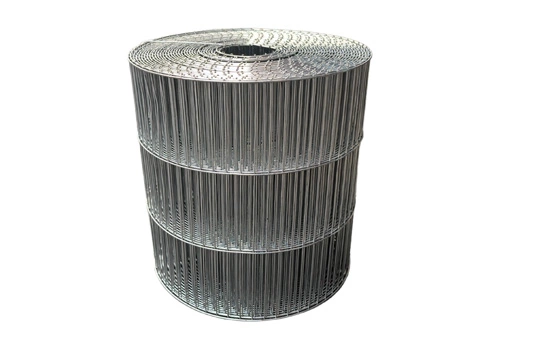
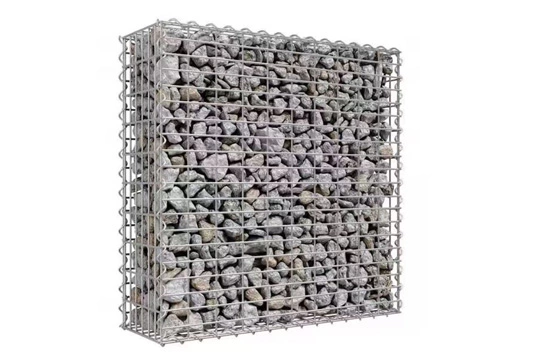
Before delving into the selection process, it's important to understand what a structural steel mesh framework entails. A structural steel mesh framework is a lattice-like structure made from interconnected steel bars or wires, designed to distribute loads evenly across a wide area. These frameworks are commonly used in reinforced concrete structures, such as bridges, buildings, and roads, to enhance their strength and stability. The primary function of a structural steel mesh framework is to provide additional support and reinforcement, preventing cracks and other structural failures that could occur over time due to stress and load.
When selecting a structural steel mesh framework, several factors must be taken into account, including the type of steel used, the size and shape of the mesh, and the specific requirements of the project. By understanding these basics, you can make an informed decision that aligns with your project's needs.
The strength and durability of a structural steel mesh framework are critical considerations. High-quality steel mesh should be able to withstand significant loads and resist corrosion, ensuring the long-term integrity of the structure. To evaluate the strength and durability, consider the following:
By carefully evaluating these factors, you can ensure that the selected structural steel mesh framework will meet the necessary strength and durability requirements for your project.
While the strength and durability of a structural steel mesh framework are paramount, cost-effectiveness is another important factor to consider. The cost of the framework can vary depending on the type of steel, the size and configuration of the mesh, and the manufacturing process. Here are some key points to keep in mind:
By balancing the initial cost with the long-term benefits, you can select a structural steel mesh framework that is both cost-effective and reliable.
Compliance with building codes and standards is non-negotiable when it comes to selecting a structural steel mesh framework. These codes and standards are in place to ensure the safety and quality of the construction. Key considerations include:
By ensuring compliance with building codes and standards, you can avoid potential legal and safety issues, and guarantee that your project is built to the highest standards.
Selecting the right structural steel mesh framework is a critical step in any construction project. By understanding the basics, evaluating the strength and durability, considering the cost-effectiveness, and ensuring compliance with building codes and standards, you can make an informed decision that will contribute to the success and longevity of your project. Remember, the right choice of structural steel mesh framework can significantly enhance the overall quality and safety of your construction, making it a worthwhile investment.

Leave a Reply